TECHNICAL LEAD · SOLUTION ARCHITECTURE · DEVOPS

Engineering
reliable digital
experiences
at scale.

I’m a Brisbane-based Technical Lead at OSE. I design, build and operate eCommerce platforms and the cloud infrastructure behind them, leading teams from technical discovery through to dependable production releases.

  • 15+Years in eCommerce engineering
  • 50+Projects delivered
  • CertifiedMagento & BigCommerce developer

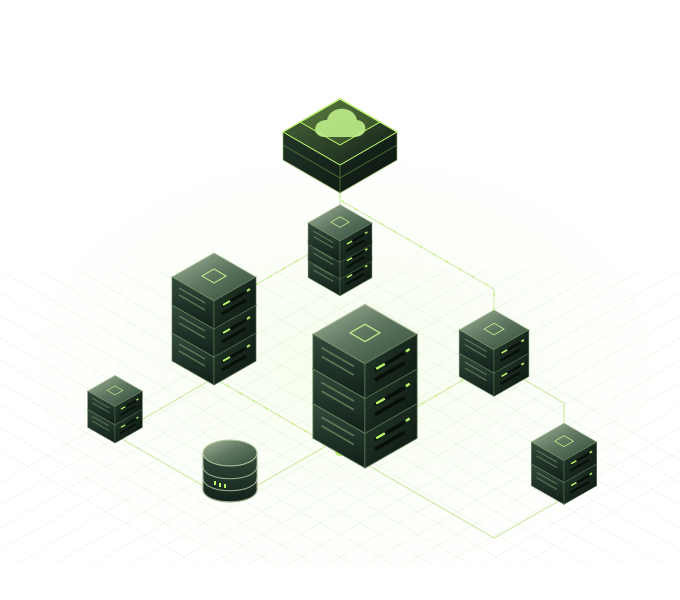
ILLUSTRATIVE ARCHITECTURE · NOT A CLIENT DEPLOYMENT Choose a flow or a component

Good systems work together. Choose a data flow or select a component to explore the decisions behind an enterprise commerce platform.
  • Security at the edge
  • Resilient services
  • Repeatable delivery
  • Observable by design
Architecture text guide

Components

Edge & security
The edge caches public content and filters unwanted traffic before requests reach the platform. Cache rules must respect sessions, customer groups and personalised responses.
Load balancer
A load balancer routes requests to healthy application instances. Health checks and connection draining keep releases and instance failures from interrupting customers.
Commerce platform
The storefront enforces the business rules customers experience: customer groups, shared catalogues, group and tier pricing, quotes, approvals and payment on account. Instances stay stateless so capacity can scale safely.
Cache layer
Caching reduces repeated work and protects the database under load. When prices vary by customer group, the cache must vary too, or prices are loaded privately per customer.
Shared storage
Shared storage makes uploaded media available to every application instance. Access controls, throughput and backups are part of the design, not an afterthought.
Managed database
The database holds transactional state. Backups, tested restores and failover planning matter as much as query performance and connection limits.
Integration middleware
Middleware maps, validates and routes data between systems: ERP pricing groups become customer groups, price lists become tier prices, orders become ERP sales orders. Queued, idempotent jobs mean a slow ERP never blocks checkout.
PIM
The PIM is the source of truth for product content. Teams enrich attributes, media and copy once, then syndicate the catalogue to the storefront and other channels.
ERP / OMS
In B2B the ERP is usually the master for trade accounts, customer and pricing groups, contract price lists, credit limits and payment terms. It validates each order against the account, allocates stock and invoices.
Warehouse / 3PL
The warehouse management system or 3PL owns physical stock: receiving, picking, packing and dispatch. Its stock counts feed availability, and its shipments create the tracking customers see.
Delivery pipeline
A repeatable pipeline builds and tests each release before deployment. Health checks, monitoring and a rehearsed rollback path support recovery when a release misbehaves.
Observability
Application performance monitoring, logs and traces show how the whole system behaves. Alerts fire on symptoms customers feel, such as latency, errors and queue backlogs, not just on CPU.

Data flows

Request path

How a customer request travels through the platform.

  1. The edge serves cached pages and assets, and filters bots and attacks before they reach the origin.
  2. The load balancer sends the request to a healthy application instance.
  3. The commerce platform applies the customer's group, catalogue and pricing, using Redis and Varnish to avoid repeated work.
  4. Transactional data is read from and written to the managed database; media comes from shared storage.

Master data sync

How products, stock, customers and prices reach the storefront.

  1. Merchandisers enrich product content in the PIM: attributes, media, copy and categories.
  2. The ERP stays the master for trade accounts, customer and pricing groups, contract price lists, credit limits and payment terms.
  3. The warehouse reports stock on hand; the ERP turns it into available-to-sell quantities.
  4. Middleware maps each source to the platform: pricing groups become customer groups and shared catalogues, price lists become group and tier prices.
  5. The platform applies the queued changes and reindexes only what changed, so each B2B customer sees their own catalogue, prices and availability.
  6. Affected pages are purged. Because prices vary by customer group, the cache varies by group or loads prices privately.

Order processing

How a B2B order moves from checkout to delivery.

  1. The customer checks out through the edge and load balancer; checkout is never cached.
  2. The platform prices the order for the customer's group, applies approvals or payment on account, saves it and publishes an order event.
  3. Middleware queues the order and delivers it to the ERP with safe retries, so a slow ERP never blocks checkout.
  4. The ERP validates the account and credit limit, allocates stock and raises the invoice.
  5. The warehouse or 3PL picks, packs and ships the order.
  6. Shipment, tracking, invoices and stock changes flow back through middleware to the storefront and the customer's account.

Telemetry

How the team sees what the system is doing.

  1. APM traces follow requests through the application and its database queries.
  2. Integration logs and metrics expose queue depth, failed jobs and slow downstream systems such as the ERP.
  3. Deployment markers link each release to changes in performance and errors.
  4. Alerts fire on symptoms customers feel, such as latency, errors and backlogs, and route to the team on call.
  • Adobe Commerce
  • AWS
  • BigCommerce
  • Shopify
  • Magento
  • WordPress
  • Laravel
  • Docker
  • NGINX
  • Cloudflare

WHAT I WORK ON

From infrastructure
to impact.

From the first discovery workshop to the release pipeline, I help organisations design, build and run commerce platforms that hold up under real traffic.

SELECTED WORK

Systems behind the experience.

Anonymised examples from client work. Names are withheld; the engineering decisions are real.

All case studies
01 DATA INTEGRITY

Adobe CommerceSQLAutomation

Fixing price drift at the source

A large national retailer had prices drifting from the correct supplier. I traced the two causes instead of patching products by hand, then automated the safety net.

Read case study

ALSO DELIVERED

  • Commerce-to-ERP integration with custom API middleware
  • AWS hosting with CodeDeploy and Bitbucket Pipelines
  • Payment gateway integration with wallets and 3DS
  • Magento 2.4 upgrades and patch programmes
  • Adobe Commerce Starter to Pro migration
  • Headless Magento with PWA Studio and GraphQL
  • PIM to storefront product synchronisation
  • Click & collect with multi-source inventory
  • Team Git workflow and automated code-quality checks

HOW I WORK

Clear decisions,
calm delivery.

Good platforms come from good conversations as much as good code. Every engagement follows the same four steps.

  1. 01

    Discover

    Workshops with stakeholders to understand the business, the constraints and what success looks like, before estimating anything.

  2. 02

    Architect

    A solution that fits the budget and the team: clear trade-offs, effort breakdowns and a path that keeps future upgrades possible.

  3. 03

    Deliver

    Sprint planning, code review and pipelines that turn the plan into repeatable, low-drama releases.

  4. 04

    Operate

    Monitoring, performance tuning, security patching and technical-debt reviews that keep platforms healthy after launch.

ABOUT

Technical leader, builder and problem solver.

I’ve spent more than 15 years in eCommerce, and most of my recent work as Technical Lead at OSE is B2B: trade and wholesale platforms where the storefront is only one part of the operation. Orders, stock and invoices have to flow cleanly into the business systems behind it, and I lead that work from discovery and solution design through to delivery.

More about me

Great engineering is not just about technology. It’s about people, decisions and long-term impact.

Karvin Ong Technical Lead, OSE

B2B COMMERCE FOCUS

  • Trade and wholesale portals shaped around how teams and customers actually order
  • ERP and accounting integration: sales orders, invoicing and inventory flowing into MYOB and similar systems
  • Custom API middleware for order processing, stock management and reconciliation
  • B2B platform migrations and upgrades on Magento / Adobe Commerce

FIELD NOTES

Latest from the blog

View all articles

LET’S BUILD WHAT’S NEXT

Complex problems.
Thoughtful engineering.

I’m always open to discussing new opportunities, technical challenges or interesting ideas.